
How to Choose a CNC Milling Supplier Online: A 30-Minute Screen That Works
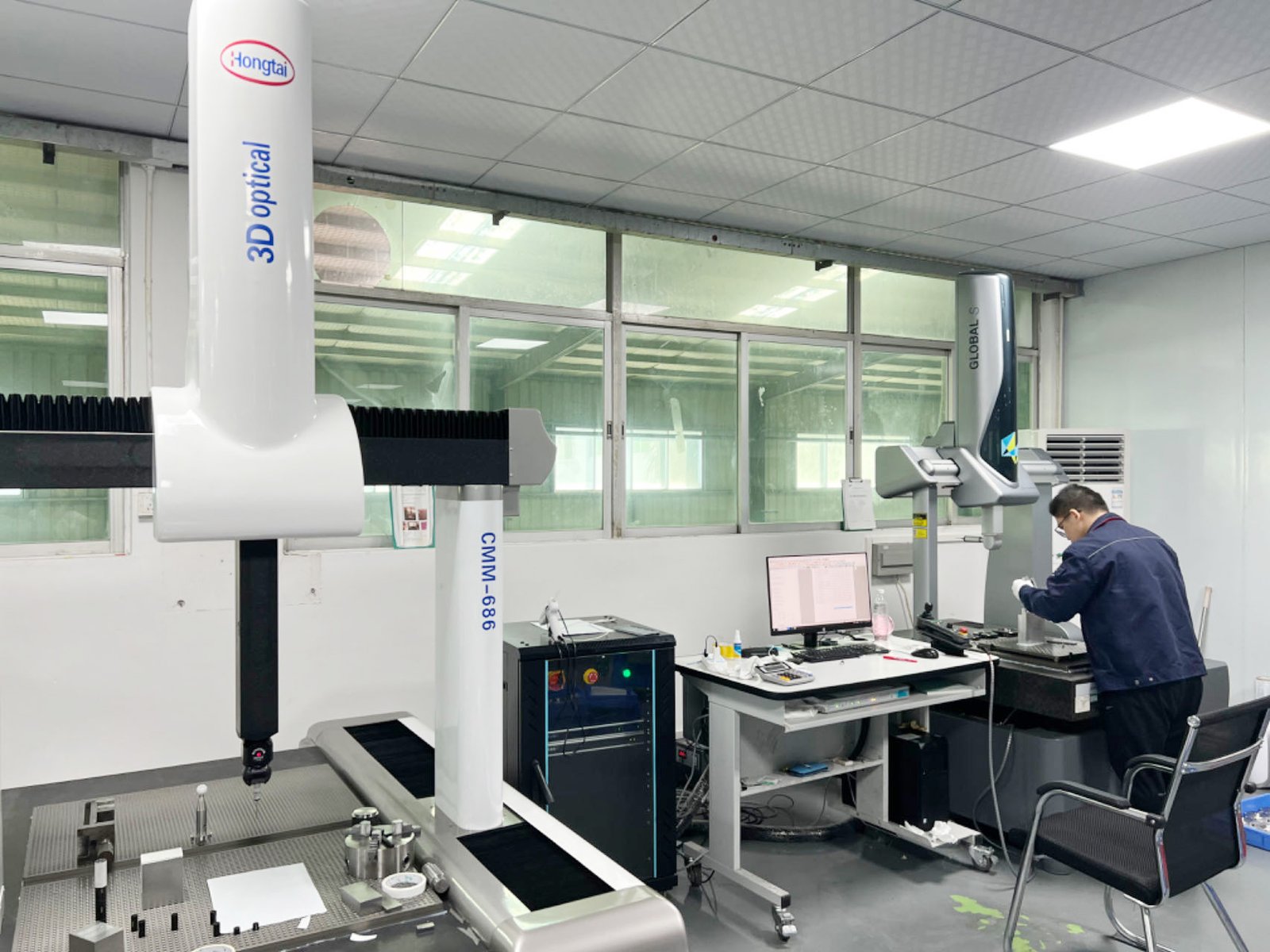
Choosing a milling supplier from a browser tab is a screen, not a guarantee — the goal of the first 30 minutes is not to pick the winner, it is to cut the field down to the two or three candidates worth a drawing, an audit, and a sample order. Done properly, the screen uses only what a serious shop puts online anyway: a verifiable legal identity, a machine list that holds together, a quality system it can name with certificate numbers, and an engineering response that sounds like an engineer. This guide breaks the screen into three ten-minute passes and lists the signals that end the process early.
What can a 30-minute screen actually settle?
Set the expectation before you start: an online screen separates obvious mismatches from candidates worth real money. It cannot prove that a shop will hold ±0.003 mm on your part, that proof comes from a first article and capability data. What the screen can do is disqualify the trading desk posing as a factory, the shop whose claims dissolve under one question, and the responder who cannot discuss your drawing. What survives is a shortlist for the drawing stage: send the file, get a real quote, run a video audit or visit, and place a trial order.
Keep a scorecard through the screen — identity, capacity evidence, engineering response, documentation habits — because the candidate who wins at the end is rarely the one with the best website. It is the one with no gaps across all four.
The first ten minutes: verify the company, not the website
Spend the first pass on identity and capacity evidence. A beautiful site costs nothing; a traceable company costs something. Four checks in this pass:
- The legal identity and address line up. The entity name, business registration, and physical address should be stated and consistent across the site, the contact page, and the footer. A registered entity with an address that matches its factory claims is a starting point; an entity that hides behind a brand name alone is not.
- The certificate numbers can be named. A shop with ISO 9001, IATF 16949 (product design excluded), or ISO 14001 should state the standard with its certificate number. Numbers can be looked up with the certifying body, and a shop that names them is inviting the check. A shop that only says "certified" is describing a brochure.
- The machine list holds together. Read the claimed capacity — machine count, axis range, and maximum workpiece — and see whether it matches what the photos, the services page, and the quoted tolerances imply. A factory that names machine brands and models, inspection equipment, and a workpiece envelope is giving you evidence you can check; a list of adjectives is not evidence.
- The scale story is consistent. Founded date, facility size, headcount, and floor capacity should tell one story. Numbers that shift between pages, or claims that cannot be pinned to a real facility, are exactly the kind of gap that a 30-minute screen exists to catch.
None of these checks requires a phone call. They are reading-and-cross-checking, and they eliminate a surprising share of candidates before any engineering conversation starts.
The second ten minutes: test the engineering response
The fastest way to judge a supplier is to send it work. In the second pass, send the same complete RFQ — a STEP model, a toleranced PDF, material, quantity, and finish — to every shortlisted candidate, and read the responses against each other. What you are testing is not the price; it is the thinking behind it:
- Who answers. An engineer, or a salesperson relaying questions? A response that discusses the routing, the axis count, and the critical features is from someone who has read the drawing.
- Whether the questions are specific. A good shop asks which features control function and which finish applies where. A shop that returns a number with no questions has not looked closely enough to quote honestly.
- Whether the quote has structure. Material, machining, setup, finishing, and inspection as separate lines show a real estimate. A one-line total hides where the money goes, and a supplier who cannot show the cost structure cannot discuss saving you money either.
- How fast the response arrives. A clearly drawn part should draw a response within a business day at most, and many serious shops answer within minutes during working hours. Silence for a week is itself a signal about how your production order will be treated.
The same RFQ sent to five shops converts "who has the best website" into "who understands the part", and the two lists rarely match.
One practical note on this pass: design files are valuable, and they should be sent as a normal part of serious sourcing, not hoarded. A non-disclosure agreement with the shortlisted shop, sent before the drawing, costs nothing and sets the boundary. A shop that refuses an NDA or treats the request as an insult is telling you how it will treat your data later; a shop that signs one without drama is behaving like an engineering partner. Include the NDA question in the same message as the RFQ and you learn two things at once.
The third ten minutes: check the documentation habits
The third pass separates the shop that measures from the shop that claims. Documentation habits are visible before any order is placed:
- What the site promises to ship. Does the quality page name the inspection equipment — coordinate measuring machines, roughness testers, material verification? Does it describe dimensional reports with measured values, or a column of "pass"?
- Whether material verification is described. A shop that checks incoming material against the mill certificate — with an XRF spectrometer where alloy identity matters — is describing traceability. A shop that never mentions material verification is hoping you will not ask.
- Whether the response volunteers documents. Ask each candidate for a sample dimensional report and a description of what ships with an order. The shop that sends an example without resistance, and explains what its first-article and batch reports contain, is showing you its paper trail before you pay for it.
- Whether capability numbers appear. A stated process-capability target — Cpk of 1.67 or higher on key characteristics and Cpk ≥ 1.33 on general characteristics. Capability is reported per characteristic: every report names the feature, its tolerance band, the sample size, the sigma method, and the study window. — is a number you can hold a shop to. The absence of any quality number is not disqualifying by itself, but it puts the burden on the trial order to prove the system exists.
This pass is also where the website's own quality page earns or loses trust. A page that reads like a list of adjectives tells you less than one that names equipment, standards, and report formats.
Which signals end the screen right now?
Some findings should stop the process immediately, because no amount of engineering conversation fixes them:
- An identity that will not resolve. No legal entity, no address, or an address that does not match the claimed factory — the trading-desk pattern.
- Capacity claims with no evidence. "We run 80 machines" with no machine list, no facility detail, and photos that could be stock images.
- A quote with no questions. A one-line price on a drawing nobody discussed is a price for a guess, and a guess is what you would receive.
- A blank on documentation. No inspection reports, no material certificates, no willingness to describe what ships with the parts.
- An engineering question answered with marketing. Ask how the shop would hold a critical tolerance and get "we have the best machines", that is a shop that measures with adjectives.
Any one of these five is a reason to end the screen. The rest of the field does not get better with more time; it gets more expensive to evaluate.
How does the shortlist become an audit and a trial?
The screen ends with a shortlist, and the shortlist earns the next three steps — in order, because each one de-risks the next:
- A video audit or visit. Ask the surviving candidate to walk the floor on a video call: machines under power, the inspection room, the material rack. What you are verifying is that the machine list and the floor match, and that the people who answer the phone are the people who run the shop. The same facility, from the same staff, is the cheapest audit you can buy before any money moves.
- A first-article order or sample run. Order a small batch or a single first article on the real production process. The drawing, the tolerances, the material verification, and the report that come back are the first evidence that the process holds what the website promised.
- A small production batch with the reports. Once the first article is approved, a real batch with the dimensional reports and any capability data closes the loop. A shop that documented the prototype well will document the batch; a shop that cannot is found out cheaply, on a small order.
The shop you are looking for at the end of this sequence is the one described across the rest of this site. It is a Dongguan factory founded in 2005, with a 6,800 m² floor and more than 80 machines from 3-axis to 5-axis, and a quality system that names its certificates and its inspection equipment. The deeper checks for that candidate are covered in the companion guide to auditing a CNC milling factory and the review of what to verify in a milling parts manufacturer.
Which questions should you put to the survivors before sending your drawing?
When the field is down to two or three candidates, send each one the same short list with your RFQ. The answers complete the screen:
- "Which feature in my drawing drives the longest cut?" The specific answer proves the drawing was read.
- "What tolerance can you hold on it, and how will you prove it?" The answer should name the equipment and the process control, not the adjective.
- "Which axis count would you run this on, and why?" A clamping plan is the signature of a real milling shop.
- "What documents ship with the order?" Material verification, dimensional reports, first-article records — named, not promised.
- "What is your quote on the same part at 10 pieces and at 500?" The two numbers expose the cost structure and how the shop thinks about your volume.
Thirty minutes and five questions is a small investment against a year of parts. The screen is not the whole job of supplier selection — the audit, the first article, and the trial batch finish it — but it decides which suppliers get to the starting line. The overall buying process that surrounds this screen is laid out in the main guide to CNC milling; this page is the filter that runs before it.
Frequently Asked Questions
How do I know if a CNC milling supplier is a real factory and not a trading desk?
Check the legal identity and address, ask for the machine list and facility detail, and cross-check the certificate numbers with the certifying body. A real factory can name its entity, its equipment, and its standards; a trading desk can name none of them precisely.
What is the fastest way to judge a milling supplier's engineering quality?
Send the same complete RFQ — 3D model, toleranced drawing, material, quantity, finish — to every shortlisted candidate and compare the responses. An engineer who asks which features control function and quotes with line items is reading your drawing; a one-line price is not.
Should I verify a supplier's certificates before ordering?
Yes. Ask for the certificate numbers — ISO 9001, IATF 16949 (product design excluded), ISO 14001 — and verify them with the certifying body. A number invites the check; a claim without a number is a brochure.
What documents should I ask for before placing a trial order?
Ask for a sample dimensional report and a description of what ships with an order: material verification against the mill certificate, measured values against the drawing callouts, and first-article records. A shop that sends an example without resistance is showing its paper trail.
How do I test a supplier without committing to a large order?
Run the sequence in order: a video audit or visit, then a single-piece or small first-article order, then a small production batch with the reports. Each step de-risks the next, and a small order finds the documentation gaps cheaply.
Is it safe to send my design files during the supplier screen?
Yes, when it is done properly. Send a non-disclosure agreement with the shortlisted shop before the drawing, and treat a refusal to sign as a signal. A shop that signs an NDA without drama and discusses your file like an engineer is behaving like a partner; a shop that dodges it is telling you how it will treat your data later.
What disqualifies a supplier during an online screen?
An identity that will not resolve, capacity claims with no evidence, a quote with no questions, a blank on documentation, or an engineering question answered with marketing. Any one of those ends the screen.
Want to test us with your drawing before you decide?
Send the model and drawing to [email protected] or call +86 13126536955. You will get an engineering response with the axis count, the cost structure, and the documentation list — everything this screen checks for.