
CNC Milling Lead Times: What Drives Them and How to Plan Around Them
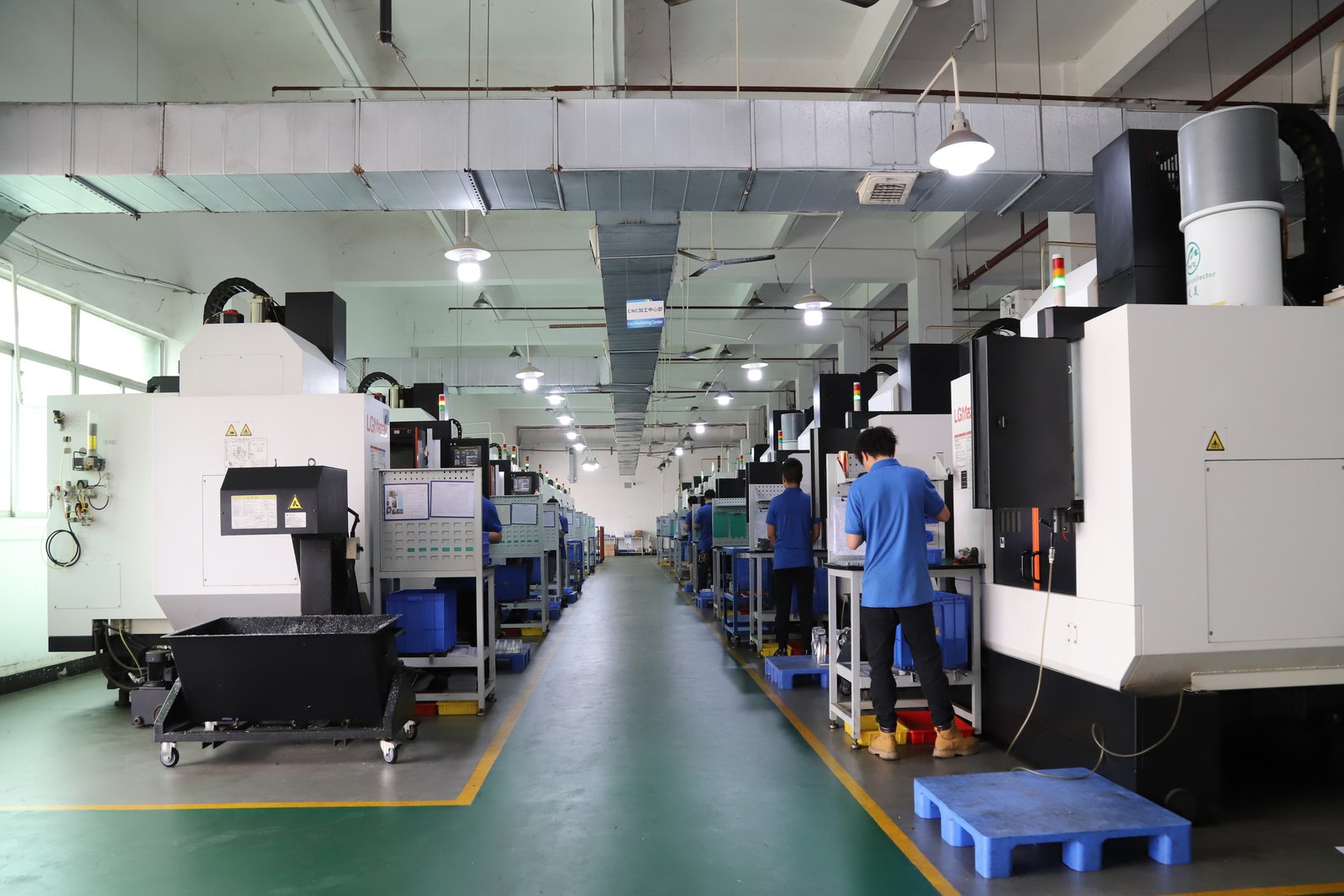
Every buyer asks the same question in the same order: how much, then how fast. And every serious milling shop gives the same two-part answer: the price comes from the toolpath, and the date comes from the schedule. Lead time is not a number a supplier invents — it is the sum of material availability, machine capacity, and finishing capacity, and the geometry of your part decides how much of each it consumes. This guide explains where milling lead times actually come from, why a simple part ships in days while a finished part takes weeks, and how to plan so the date you are quoted is the date you get.
Why is lead time a geometry signal, not a promise?
A milling schedule is not set by a calendar; it is set by the routing. The routing is the ordered list of operations your part needs — the stock to buy, the setups to run, the features to cut, the finish to apply — and each operation adds its own time and its own queue. Change the geometry and the routing changes, and the routing is the schedule. That is why a shop that quotes a date before it sees a 3D model is guessing, and why the fastest route to an accurate date is a real model with tolerances called out on the features that control function.
Read a lead time the way you read a quote: as a signal about the part. A date measured in days tells you the part is simple — few setups, one material, no finishing beyond deburring. A date measured in weeks tells you the part is complex — many operations, or a surface treatment that runs on its own batch schedule. When a promised date looks too fast for the geometry, ask which step is being compressed. The answer is usually honest: either the shop has capacity now, or a step is being quietly skipped.
What does a realistic milling lead time look like by complexity?
Across milling shops, realistic lead times sort into three bands that track complexity, not quantity. Quantity barely moves the date; process steps move it a lot:
- Simple parts — around 3 days. Few operations, one material, no surface treatment. A bracket with holes and a pocket, a simple plate, a bushing blank. The schedule is one material purchase, one or two setups, and inspection.
- Standard parts — around 7 days. Multiple operations, moderate feature counts, standard tolerances. The part may need a second setup or a deburring pass, and the date reflects the machine time plus the inspection burden.
- Complex parts — up to 30 days. Ten to twenty process steps, tight tolerances on many features, or a surface treatment — anodizing, plating, heat treatment — that leaves the shop floor. Finishing is the single biggest reason a schedule stretches, because a part that goes out for coating waits in someone else's queue before it comes back for final inspection.
There is also a shorter band for genuinely urgent work: a simple, clearly defined part can ship in as little as one day when the material is in stock and a machine is open. That date is real but conditional — it depends on the material being available and the geometry being simple enough to program and cut in hours, not days.
What actually compresses — and what stretches — a milling schedule?
Most lead-time surprises are not machine problems; they are planning problems on both sides of the table. The levers that shorten a date:
- A complete file. A 3D STEP model plus a toleranced PDF, with material, quantity, and finish stated, lets a shop quote and schedule from the first message. Every missing detail adds a round-trip, and every round-trip adds days, not hours.
- Standard materials and finishes. Common alloys in standard bar and plate sizes are already in the supply chain. Exotic grades, odd dimensions, and hard anodize all move to the long end because they wait on procurement or a specialized batch.
- Fewer process steps. Deburring-only parts ship fast. Parts that leave the floor for anodizing, plating, or heat treatment sit at the long end by nature, not because the shop is slow, but because each external process runs on its own calendar.
- Approved tolerances. Tight dimensions on critical features are fine; tight dimensions everywhere add finishing passes and inspection to every surface, and inspection capacity is part of the schedule too.
The levers that quietly stretch a date are the same list read backwards: a photo instead of a model, an open finish spec, a material that must be sourced, or a drawing marked tight on everything. When a schedule slips, look first at whether one of those was left open at quote time.
Where do delays hide inside a milling lead time?
A quoted lead time is really the sum of four queues, and delays live in whichever one your part happens to need:
- Material availability. Standard stock sits on the shelf; specialty material waits on the mill or the distributor. This queue decides whether your part starts cutting this week or next.
- Machine capacity. The milling machines are booked in order. A simple part can slide into an open slot; a complex 5-axis job waits for the machine that can hold it. When a shop quotes a date, it is quoting its schedule, not its hope.
- Finishing capacity. Anodizing, plating, heat treatment, and coating are batch processes that run on their own schedules, and often on another vendor's floor. This is where the longest waits hide, because the part leaves the machining queue entirely and joins a coating queue that the machine shop does not control.
- Inspection and approval. First-article measurement, material verification, and any customer approval gate sit between "machined" and "shippable." A part that needs a full first-article report before the run continues carries that inspection time in its schedule.
This is why the same shop can quote three days for one part and thirty for another: the second part touches every queue, and each one adds its own wait. When you are planning a date that matters, ask which queues your part will enter. A shop that answers with the routing is describing a real schedule; a shop that answers with a number is describing a hope.
How should a buyer plan prototypes and batches around lead time?
Lead time planning starts with deciding what the order is for, because prototypes and production runs have different schedules and different levers:
- A single prototype. There is no minimum order — a single piece is accepted for prototyping and first-article approval, and it runs on the same machines and tolerances as production. The prototype's lead time is mostly the queue for its few operations, which is why a simple prototype can move fast.
- A first-article-then-batch sequence. The fastest path to production is not a single giant order; it is approving the first article first, then releasing the batch against the proven program. That sequence converts one long risky schedule into two shorter, predictable ones.
- A production batch. Once the program exists, batch lead time is driven by the queue for machine capacity and finishing, which is why ordering the batch before the prototype finishes, instead of after, closes the gap. Suppliers schedule from the release date, and every week of notice is a week not spent waiting in a queue.
- A recurring order. A standing release — the same part at a known interval — lets a shop reserve capacity and buy material against the forecast. Recurring buyers get shorter effective lead times than one-off buyers, not because they are favored, but because their work is already scheduled.
The planning rule that saves the most calendar: send the file early, state the target date, and let the shop tell you which step makes the date. A target date that is impossible for a 30-day part becomes possible when it is broken into "prototype by this week, batch by next month."
What does "shipping in as little as one day" actually require?
Fast-turn promises are real, and they are conditional. A simple, urgent part can ship in about a day when four things line up: the material is in stock, the geometry is simple enough to program in hours, a machine has an open slot, and the finish is as-machined or deburring-only. Change any one of those — an exotic alloy, a five-axis surface, a hard anodize, a full first-article report — and the one-day promise stops applying.
The honest way to use fast-turn service is to ask what it requires rather than what it costs. A shop that answers "send the STEP file and we will tell you by this afternoon whether it can run today" is describing a real capacity check. A shop that promises one day on everything is describing a marketing line. The urgent band exists for the parts that can genuinely live in it — simple, defined, and ready to cut.
Which questions get a supplier to commit to a real date?
Lead time is a commitment, and commitments come from schedules, not from sales talk. These questions separate a real date from a hopeful one:
- "Which queues does my part sit in?" Material, machine, finishing, inspection — a shop that names the queues is showing you the actual schedule.
- "What is the date based on — the routing or the calendar?" A date built from operations is honest; a date built from "next week" is a guess.
- "What would shorten it?" If the answer is "approve the drawing now" or "confirm the finish," the date was waiting on information, not on the machine.
- "What happens if a step slips?" A shop with a committed date has a plan for material delay and finishing queue, and will tell you which step it protects.
- "Can you ship the first article before the batch?" Splitting approval from production converts a long uncertain schedule into two short certain ones, and a shop that offers the split is planning like an engineer.
Ask these with the file already sent, and the date that comes back is the one the shop can stand behind. For the quality side of the same schedule — what inspection and approval add to the run — the site's CNC milling quality guide shows how first-article and capability checks fit into the flow.
How does lead time interact with cost and quantity?
Lead time and cost are set by the same variable — process steps — and quantity plays a smaller role in both than most buyers expect. A part with ten process steps costs more and takes longer than a three-step part at any quantity; adding 500 pieces to the order extends the machine time but not the queue count. Two planning consequences follow:
- Rush is a cost, not a favor. Compressing a schedule means displacing other work or running an external process on priority, and the price reflects it. The cheapest way to buy speed is to give notice: order the batch before the prototype is approved, buy standard material, and lock the finish early.
- Quantity buys schedule stability, not just unit price. A standing release or a scheduled batch lets the shop reserve capacity and buy stock ahead, which is what actually shortens the effective lead time for the parts you order repeatedly.
The buyer who plans lead time like an engineer — file first, target date stated, approval split from production, recurring work scheduled — gets dates that hold. The buyer who treats lead time as a number to negotiate finds out where the queues are, one slip at a time. The general buying discipline that makes both price and date predictable is laid out in the main CNC milling guide.
Frequently Asked Questions
How long does CNC milling take?
Simple parts with few process steps ship in about three days, standard parts in roughly seven, and complex parts with surface finishing can reach about thirty days. A clearly defined simple part on an open machine can ship in as little as one day.
Why does my finished part take so much longer than an as-machined one?
Because finishing — anodizing, plating, heat treatment — runs as a batch process, often on another vendor's floor. The part leaves the machining queue and joins a coating queue, then comes back for final inspection, and each step adds its own wait.
Does ordering more parts extend the lead time?
Rarely by much. Lead time follows process steps, not quantity — the routing is the same whether you order one part or a thousand. Quantity extends machine time, not the number of queues, and the schedule is set by the queues.
Can I get a single prototype before committing to production?
Yes — the minimum order is one piece, and a prototype runs on the same machines, tolerances, and inspection as production. Approve the first article first, then release the batch against the proven program, and you turn one long schedule into two short ones.
What is the fastest way to get an accurate delivery date?
Send a 3D STEP model with a toleranced PDF, state material, quantity, and finish, and name your target date. A real schedule needs a real model — a paragraph of description produces a guess, not a date.
Is a short lead time a sign of a better supplier?
Not by itself. A short date is honest when the part is simple and the capacity is open; a short date on a complex part means a step is being compressed or skipped. Ask which queues the part sits in, and trust the shop that answers with the routing.
Need a date you can plan production around?
Send the model and your target date to [email protected] or call +86 13126536955. You will get a schedule built from the routing, which queues your part sits in, and what it takes to hold the date.